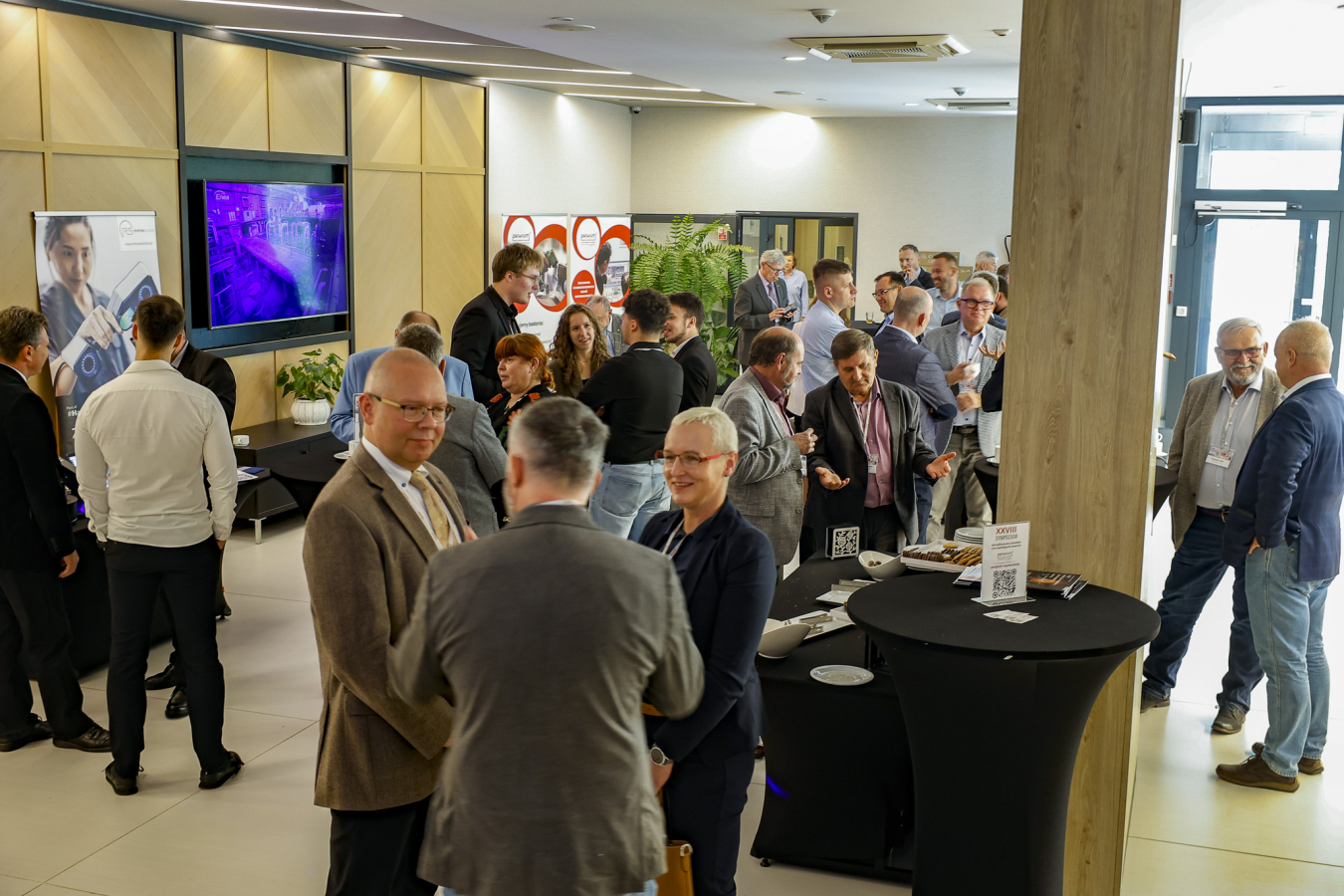


The first day of an event focused on a key challenge within the energy sector—identifying damage and preventing failures—has concluded. The gathering brought together experts, industry representatives, and invited guests to share their knowledge, experience, and practical solutions for ensuring the safety and reliability of energy infrastructure.
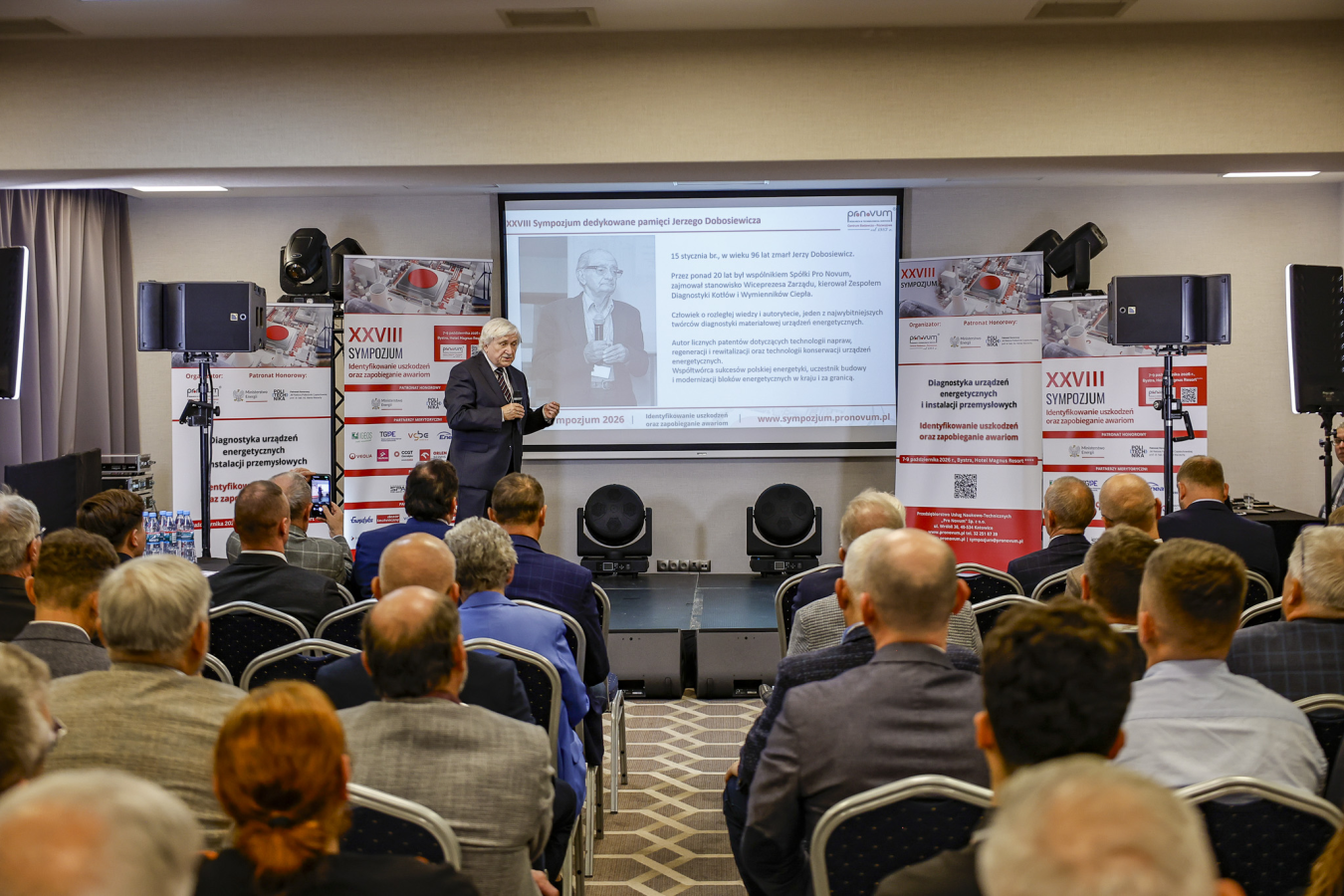
The symposium was opened by Ewa Trzeszczyńska (Pro Novum), who introduced the honorary patrons and partners of this year’s event. Welcoming remarks were delivered by Jerzy Trzeszczyński (Pro Novum sp. z o.o.), Paweł Woszczyk (TGPE), Prof. Rafał Kobyłecki (Częstochowa University of Technology), Michał Cegielski (TAURON Wytwarzanie S.A.), Tomasz Sygnarski (EC Stalowa Wola SA), and Mariusz Saratowicz (SEP).
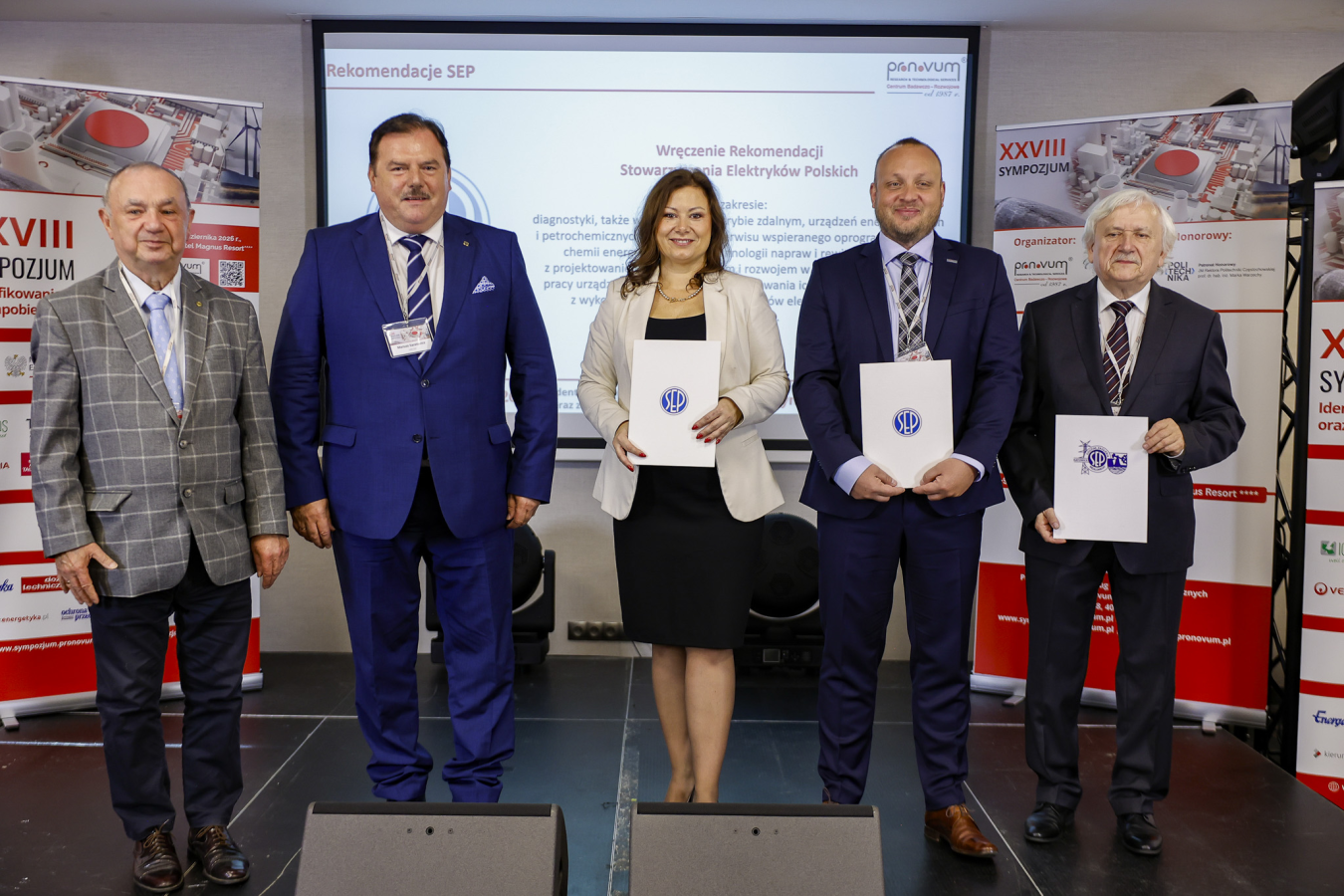
A significant highlight was the presentation of an SEP (Association of Polish Electrical Engineers) recommendation to Pro Novum, conferred by Mariusz Saratowicz, President of the OZW branch and Vice President of the SEP. This document confirms that Pro Novum is endorsed by the Association of Polish Electrical Engineers as a company fully equipped—technically, organizationally, and in terms of environmental standards—to operate within its recommended scope.
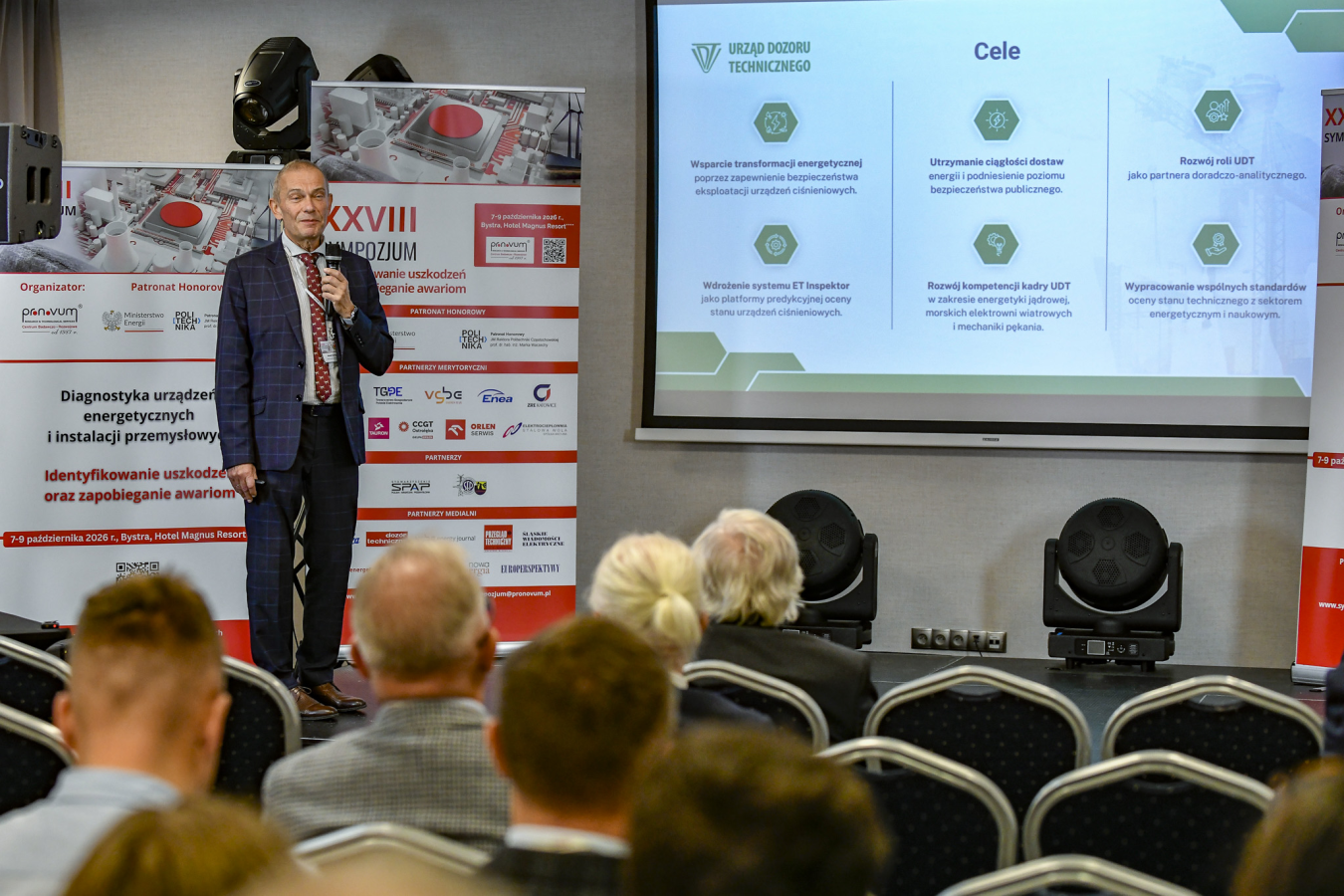
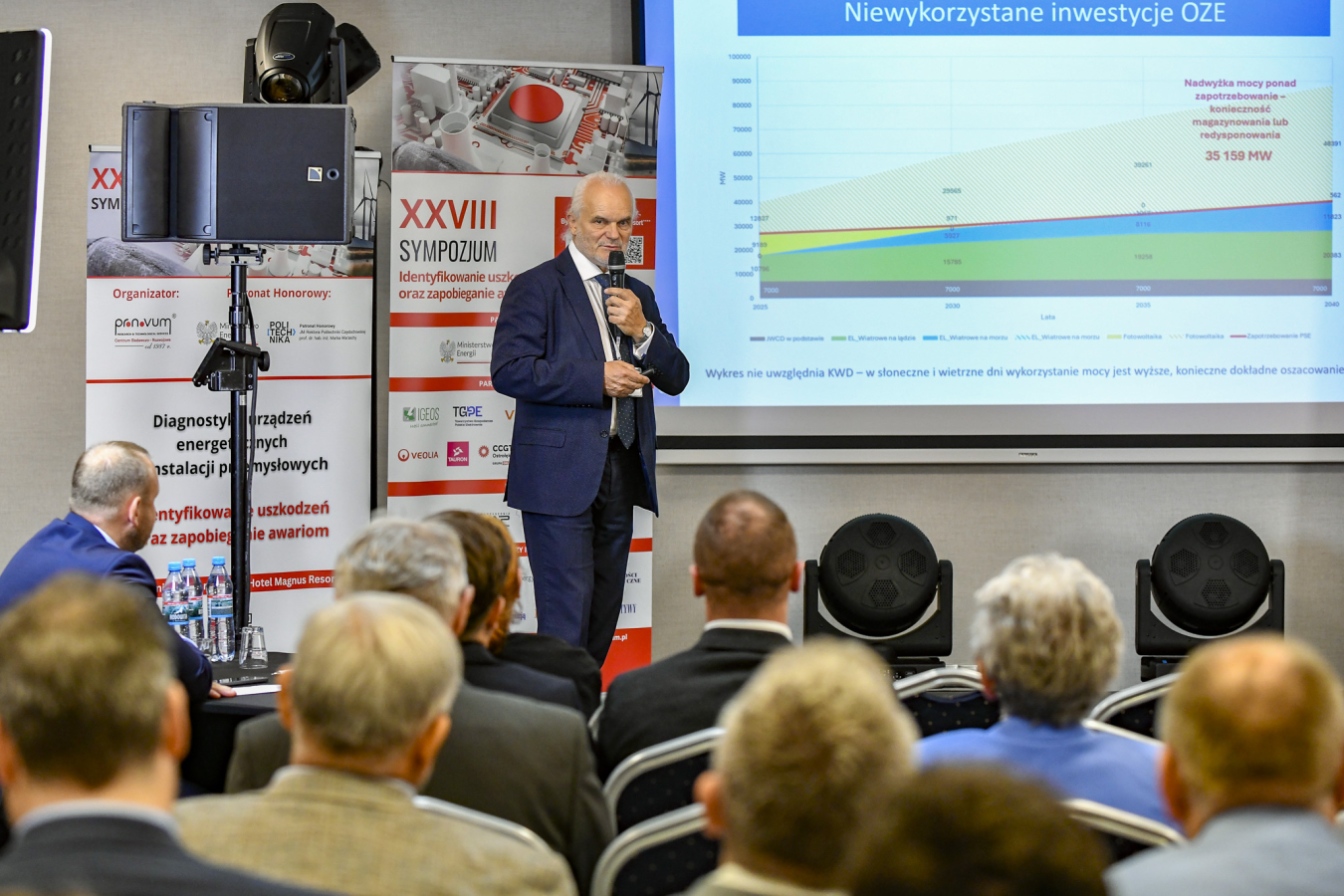
Speakers addressed the analysis of equipment failures as a systematic source of insight, enabling the identification of root causes and the prevention of similar incidents in the future. Discussions also covered the risks associated with the transformation of the Polish energy sector, with a particular focus on ensuring the security of electricity and heat supplies. A significant portion of the program was dedicated to maintaining the technical condition of power generation units and adapting them to evolving operational and regulatory requirements. The agenda included an overview of the activities of the Office of Technical Inspection (UDT) within the professional power sector, insights into unit maintenance at Enea Elektrownia Połaniec, and key aspects regarding the commissioning and commercial operation of the 910 MW unit at the Nowe Jaworzno Power Plant.
Another important topic was the assessment of the technical condition of centrally dispatched generation units (JWCD), which is crucial for their continued operation and the assurance of required availability.
The program also featured practical examples of identifying the root causes of equipment failures and resolving operational issues. This included an analysis of the failure and subsequent repair of a heat exchanger at a renewable energy-based power plant, as well as a case study on the collaboration between the Stalowa Wola Combined Heat and Power Plant (CHP) and Pro Novum in addressing an operational challenge involving a heat recovery steam generator (HRSG).
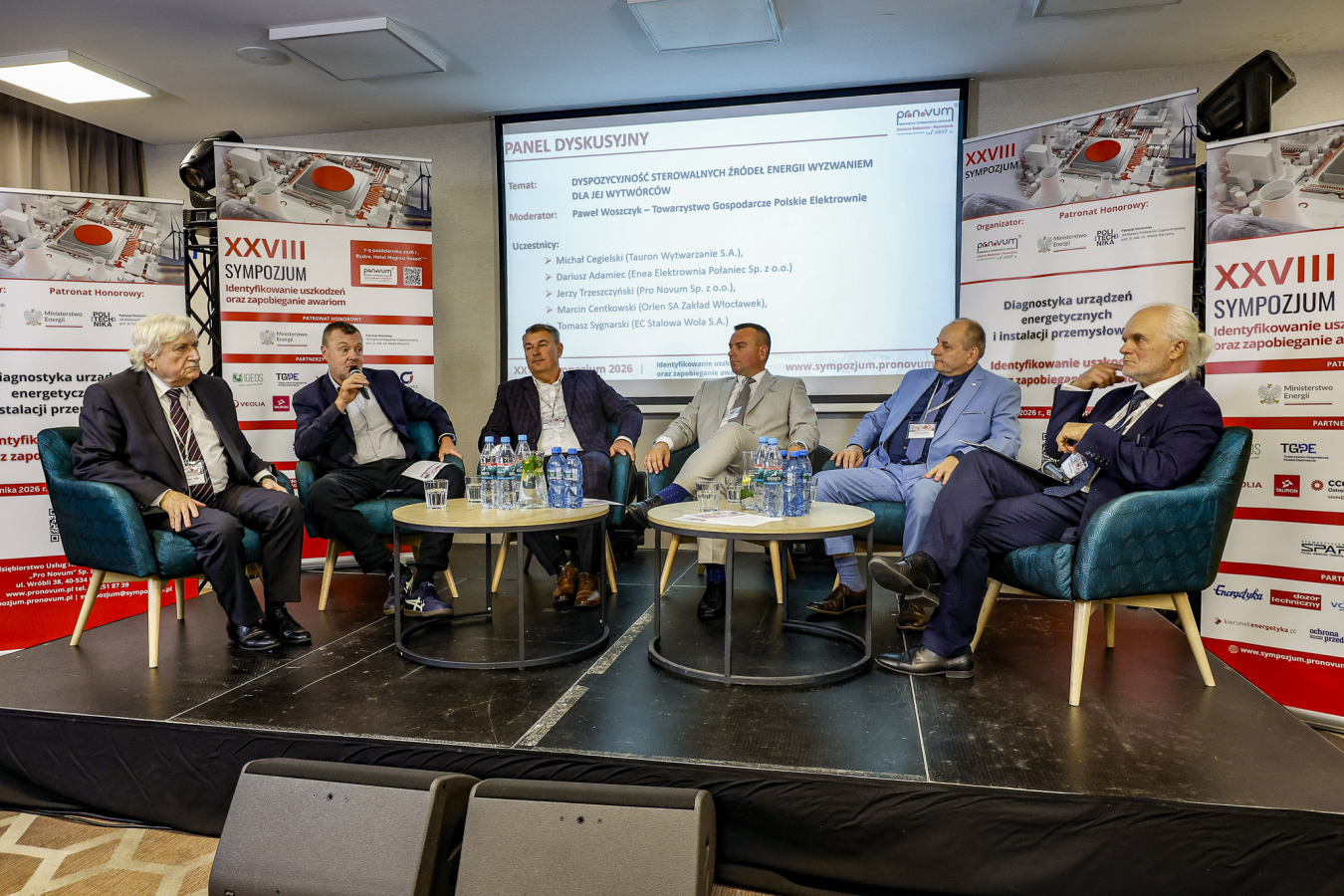
The presentations demonstrated that effective failure prevention requires not only a proper assessment of the technical condition of equipment, but also a systematic analysis of operational experience, the identification of the root causes of damage, and collaboration among specialists from various sectors of the energy industry. A key highlight of the first day was a panel discussion focused on the availability of dispatchable energy sources and the challenges faced by their operators. The discussion was moderated by Paweł Woszczyk (TGPE). The panelists—Michał Cegielski (Tauron Wytwarzanie S.A.), Dariusz Adamiec (Enea Elektrownia Połaniec Sp. z o.o.), Jerzy Trzeszczyński (Pro Novum Sp. z o.o.), Marcin Centkowski (Orlen SA, Włocławek Plant), and Tomasz Sygnarski (EC Stalowa Wola S.A.)—addressed the need to ensure the reliability and continuous operation of energy sources within a rapidly evolving market, amid rising demands for energy security. They also examined the role of coal-fired power units—including those that have been in service for a long time—in stabilizing the power system until a sufficient number of gas-fired sources, combined-cycle gas turbine (CCGT) units, and large-scale energy storage systems can be developed. Another significant topic covered was the technical condition and failure rates of power generation units, as well as the difficulties operators encounter in meeting the availability requirements set by the grid operator. Discussions also covered the costs of maintaining the technical efficiency and operational readiness of both older coal-fired units and new gas-based power sources—specifically, whether these costs, in the case of long-serving units, might undermine the economic viability of their continued operation. Participants further addressed the issue of responsibility for unit availability within the framework of Long-Term Service Agreements (LTSAs), exploring how collaboration with technology providers can assist operators in meeting performance requirements and mitigating the risk of unplanned outages. The first day of the event offered not only a series of compelling presentations but, more importantly, an opportunity for networking, the exchange of experiences, and collective reflection on the future of the energy sector.
Ahead of us lies another day of the Symposium, with further discussions focused on the challenges and opportunities facing the energy industry.